
-
 Jacqui Sieber/WUOT NewsKudzu is an invasive vine that’s become a persistent problem in the American South. But there are efforts to tackle it.
 -
 Ryan Van Velzer/LPMRep. Nima Kulkarni presented an “aspirational” proposal to study and monitor the chemicals in Kentucky.


-
 Nitrate pollution is especially acute in rural areas and has been linked to disease. More than 80 groups nationwide say immediate action is needed.
 -
 The Kentucky Department of Fish & Wildlife Resources says it’s utilizing a recent discovery of dozens of genetic markers that help determine the size of largemouth bass to increase the overall trophy size of the species in Kentucky waters – a move that some say could reel in more opportunities for the commonwealth.
 -
 Tennessee is moving to block climate change lawsuits against fossil fuel companies.
 -
 Grassland habitats across the United States have been on a sharp decline over the past 30 years, with some researchers suggesting a loss of nearly 62% of historic native ecosystems as of 2023. To combat this, a Clarksville, Tennessee organization is working to hopefully halt the rapid rate of biodiversity loss across the south.
 -
 Forever chemicals or per- and polyfluoroalkyl substances, known as PFAS, are human-made substances that come from substances like Teflon, non-stick coating, some cosmetics, carpets and various industrial products. Some PFAS can take hundreds of years to break down naturally. Exposure has been linked to increased cancer risks, developmental delays in children, hormone interference and other issues.
 -
 In a "Kentucky Needs Assessment" from the Nature Conservancy, Kentucky ranks last among peer states for conservation funding with just under $2.4 million allocated to just one conservation funding program.
 -
 The Center for Biological Diversity is suing the U.S. Fish and Wildlife Service for failing to decide whether to protect an imperiled salamander found in Kentucky, Tennessee, Virginia, and West Virginia.
 -
 Hellbender salamanders used to be common in streams across Kentucky, but their numbers have been on the decline in recent years. A recent study conducted by researchers at the University of Kentucky tested a new way of detecting these amphibians to try and pinpoint exactly where in the commonwealth they can still be found.
 -
 By now, many plants across Kentucky have already started changing colors. But some species that are invasive to the Bluegrass State hold onto their green hue late into the fall months— something that the Kentucky Department of Fish & Wildlife Resources says makes this an ideal time to weed those plants out.
 -
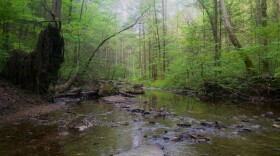 The EPA is moving to narrow the definitions of protected waterways under the Clean Water Act, opening many waterways to pollution and destruction.


