

Tara Boyle
Tara Boyle is the supervising producer of NPR's Hidden Brain. In this role, Boyle oversees the production of both the Hidden Brain radio show and podcast, providing editorial guidance and support to host Shankar Vedantam and the shows' producers. Boyle also coordinates Shankar's Hidden Brain segments on Morning Edition and other NPR shows, and oversees collaborations with partners both internal and external to NPR. Previously, Boyle spent a decade at WAMU, the NPR station in Washington, D.C. She has reported for The Boston Globe, and began her career in public radio at WBUR in Boston.
-
Social media sites offer quick and easy ways to share ideas, crack jokes, find old friends. But the things we post don't go away. We explore how one teenager's social media posts destroyed an opportunity he'd worked for all his life.
-
 If you live in a big city, you may have noticed new buildings popping up — a high-rise here, a skyscraper there. The concrete jungles that we've built over the past century have allowed millions of us to live in close proximity, and modern economies to flourish. But what have we given up by moving away from the forest environments in which humans first evolved? This week, we revisit our 2018 conversation about the healing power of nature with psychologist Ming Kuo.
 -
 Does living with animals really make us healthier? Why do we eat some animals and keep others as pets? This week on Hidden Brain, we talk with psychology professor Hal Herzog about the contradictions embedded in our relationships with animals.
 -
 How many ads have you encountered today? On this week's radio show, we discuss the insidiousness of advertising in American media.
 -
 This week we consider what we misunderstand about newspapers – from their long history of hype, to the hidden price we pay when they close.
 -
 The CDC estimated that 72,000 people died of drug overdoses in 2017. There are many reasons why the opioid crisis is so hard to confront. One of them is social stigma.
 -
 American politics can be nasty. Does that mean that it's broken?
 -
To us non-babies, babbles like "ah-gah" and "dadadadada" can sound like cute gobbledygook. But they don't have to be such a mystery. We'll get a primer on how to decipher the dialect of tiny humans.
-
 When we think of lies, we think of the big stuff. We say, "I could never do something like that." But big lies start with small deceptions. Dan Ariely talks about why we lie and why we're honest.
 -
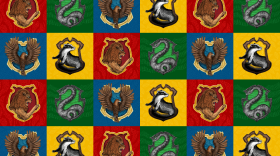 The desire to find our tribe is universal. We like to know who we are and where we belong. This week, how this fascination has led to a thriving industry built on the sale of personality tests.


