
-
 Mark Humphrey/AP PhotoThe architect of Tennessee’s new lethal injection protocols is stepping down as leader of the Department of Correction after a second failed execution this year.
 -
 Mark Davis/Wikimedia CommonsPlaintiffs’ attorney says Department of Energy will reimburse company for settlement costs


-
 Retired miners, their families and policy groups are lobbying Congress to uphold worker protections and pass legislation that updates black lung disability programs.
 -
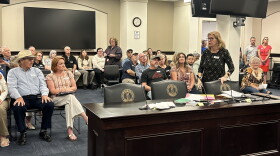 Kentuckians from across the state described their frustrations with data center developments in their communities and begged lawmakers to act sooner rather than later.
 -
 A new one-hour audio special from WKMS and the Appalachia + Mid-South Newsroom taking a look at the impact of "Harlan County USA" as the transformative documentary turns 50 years old will premiere later this month.
 -
 As another death row inmate’s execution arrives, doctors and nurses in Tennessee say they want medical professionals removed from the execution process.
 -
 Resident Will Penn posted doorbell camera footage to Facebook after the incident. It's since been shared thousands of times.
 -
 Gov. Andy Beshear announced the creation of the Governor’s Office of Music Friday during an appearance at Bourbon & Beyond in Louisville, one of the state’s marquee music festivals.
 -
 The bump in film production in Kentucky can be attributed to state lawmakers building up the commonwealth’s film incentives in recent years. Yet, some criticize the program for providing state funds to private companies with little return on investment.
 -
 Signal species are constantly sending humans messages about our changing world, and the Appalachia + Mid-South Newsroom produced an hourlong radio special all about them.
 -
 After community members denounce a lack of transparency from public officials in a Carroll County data center project, some people are pursuing ethics complaints against those who approved it.
 -
 A federal appeals court has struck down part of a Tennessee anti-abortion law. Meanwhile, two nonprofits made moves this week to avoid cooperating with requests from the state’s attorney general for documents involving mail-order abortion pills.


